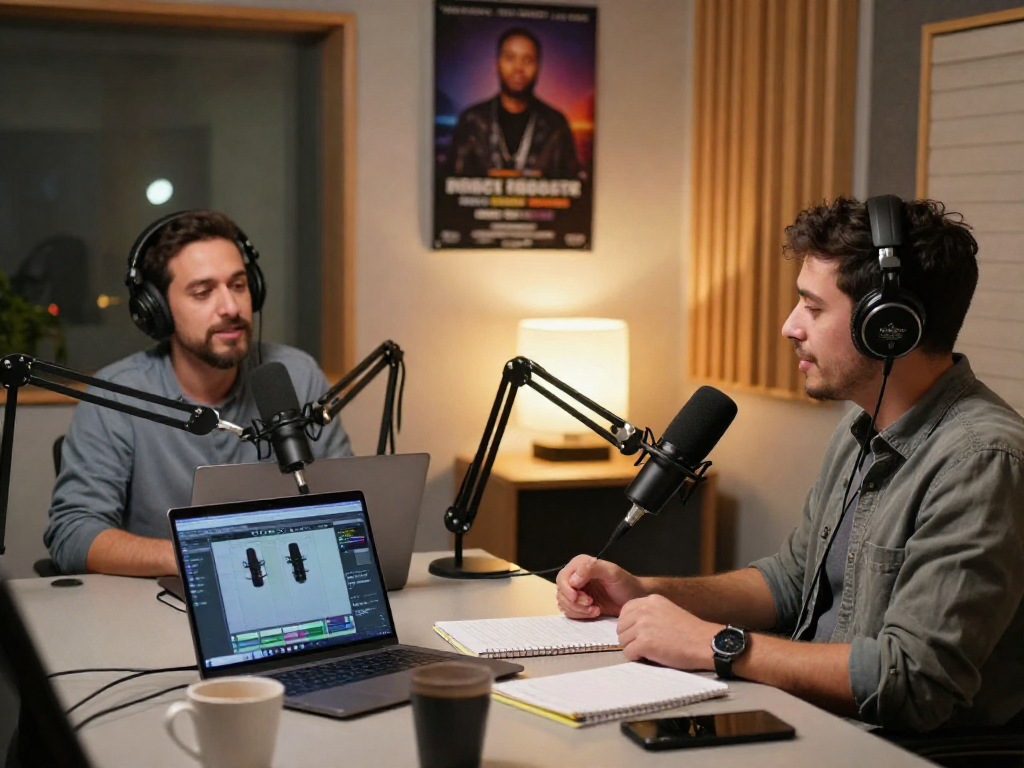
Understanding the Role of Creative Mentorship in Design
In the ever-evolving world of design, having a creative mentor can significantly impact an aspiring designer's journey. A mentor offers invaluable guidance, support, and resources that can help individuals unlock their potential and enhance their creative skills. At ROKOK88, we emphasize the importance of mentorship in fostering a vibrant creative community. As you explore your design journey, consider how the insights from our platform, including rokok88 rtp, can support your creative development.
What is a Creative Mentor?
A creative mentor is someone who provides guidance to individuals seeking to develop their skills in the creative arts, including design, visual arts, and content creation. These mentors come from various backgrounds and possess experience across disciplines, offering mentees the opportunity to learn from their successes and failures. Creative mentorship is not just about giving advice; it involves building a relationship where feedback is exchanged, ideas are explored, and skills are honed over time.
Benefits of Mentorship in Design Projects
Engaging with a mentor can enhance your design projects in several ways:
- Expert Guidance: Mentors provide insights and advice derived from their own experiences, which can help you navigate challenges in your projects.
- Networking Opportunities: A mentor can introduce you to industry contacts, opening doors for collaborations and job opportunities.
- Accountability: Regular check-ins with a mentor encourage you to stay on track with your creative goals and deadlines.
- Skill Development: Mentors can identify your strengths and weaknesses, allowing you to focus on areas that require improvement.
How ROKOK88 RTP Enhances Mentorship
ROKOK88 RTP offers tools and resources that enhance the mentorship experience. With access to a rich library of design insights, tutorials, and industry trends, both mentors and mentees can engage in informed discussions, fostering a deeper understanding of design principles. This systematic approach helps streamline the learning process and ensures that creatives are well-equipped to face current challenges in the design landscape.
Essential Design Techniques for Aspiring Creatives
To thrive in the competitive design market, it is crucial to master essential design techniques. These foundational skills not only improve the quality of your work but also bolster your confidence as a creator.
Key Principles of Visual Composition
Visual composition is the backbone of effective design. Understanding how to arrange elements on a page can significantly impact the viewer's perception. Key principles include:
- Balance: Distributing visual weight effectively creates harmony in your designs.
- Contrast: Utilizing contrasting elements enhances readability and draws attention to important aspects.
- Hierarchy: Establishing a visual hierarchy helps guide the viewer's eye through your design.
- Alignment: Proper alignment strengthens the overall cohesiveness of your composition.
Innovative Use of Color and Typography
Color and typography are powerful tools in a designer's arsenal. Mastering these elements allows you to convey emotions and messages effectively. Explore how color theory can impact user experience and learn the nuances of choosing the right typefaces for various projects.
Exploring Digital Tools and Resources
The digital landscape is rich with tools that can facilitate creativity. Familiarizing yourself with the latest software and resources will streamline your design process. Consider exploring platforms that provide templates, stock images, and design assets to enhance your workflow.
Staying Updated: Trends in the Design World
As design evolves, staying updated on the latest trends is essential for any aspirant. Not only does this knowledge inspire creativity, but it also ensures that your work remains relevant.
Current Design Trends for 2026
For 2026, expect to see trends that focus on sustainability, inclusivity, and technological integration. Designs that resonate with these themes will likely attract more attention and engagement from audiences.
How to Adapt to Evolving Styles
Adapting to new styles requires flexibility and a willingness to experiment. Regularly engaging with design communities, attending workshops, and consuming diverse creative content can help you remain adaptable and innovative.
Using ROKOK88 RTP to Follow Design Trends
ROKOK88 RTP is an excellent resource for staying abreast of relevant design trends. The platform offers regular updates, insights, and articles that analyze emerging styles, ensuring that you can incorporate the latest concepts into your work effectively.
Fostering Creativity through Practical Exercises
Creativity can be cultivated through consistent practice and exploration. Engaging in exercises designed to stretch your creative muscles can lead to breakthroughs in design thinking.
Creative Exercises to Enhance Skills
Consider implementing exercises like daily sketching, design prompts, or participatory challenges to stimulate your creative process. These activities can help you break free from creative blocks and encourage innovative thinking.
Collaborative Projects and Feedback Loops
Collaboration with peers can also enhance your creative journey. Working on joint projects allows you to gain different perspectives and insights into your work. Establishing feedback loops ensures continuous improvement and refinement of your design skills.
Measuring Progress and Setting Goals
It’s essential to have measurable goals in your creative practice. Set specific, attainable objectives and regularly assess your progress. This practice promotes accountability and keeps you motivated toward achieving your creative ambitions.
Future Directions: The Evolving Landscape of Design
The future of design is dynamic, with new technologies and methodologies emerging regularly. Understanding these changes will allow you to position yourself effectively in the industry.
What to Expect in Design Trends and Technologies
Expect advancements in artificial intelligence, virtual reality, and augmented reality to shape the future of design. Familiarizing yourself with these technologies can provide an edge in your projects and career.
Preparing for Changes in Design Education
As the design landscape evolves, so too will the educational frameworks. Stay informed about changes in design curricula and seek out programs that emphasize both traditional skills and new technologies.
Leveraging ROKOK88 RTP for Future Growth
Utilizing ROKOK88 RTP provides access to a wealth of resources and insights that can support your continuous growth in the design field. Embrace the tools available to ensure you remain a competitive and innovative designer.
Frequently Asked Questions
How do I find a creative mentor?Finding a creative mentor often involves networking within your community. Attend workshops, online forums, or design events to connect with experienced professionals who might be open to mentoring.
What are the most effective design techniques for beginners?Beginners should focus on mastering the fundamentals of composition, color theory, and typography. Engaging with resources like ROKOK88 can provide you with structured learning paths.
How can I stay updated with current design trends?Regularly engage with design blogs, podcasts, and social media platforms dedicated to design. Following experts and joining design communities will also keep you informed.
What role does collaboration play in creative projects?Collaboration fosters creativity by integrating diverse viewpoints, which can lead to innovative outcomes. Working with others enhances your skills and provides opportunities for feedback.
How does ROKOK88 RTP support design education?ROKOK88 RTP offers a comprehensive platform for learning, providing articles, resources, and mentorship opportunities that cater to both beginners and experienced designers.